

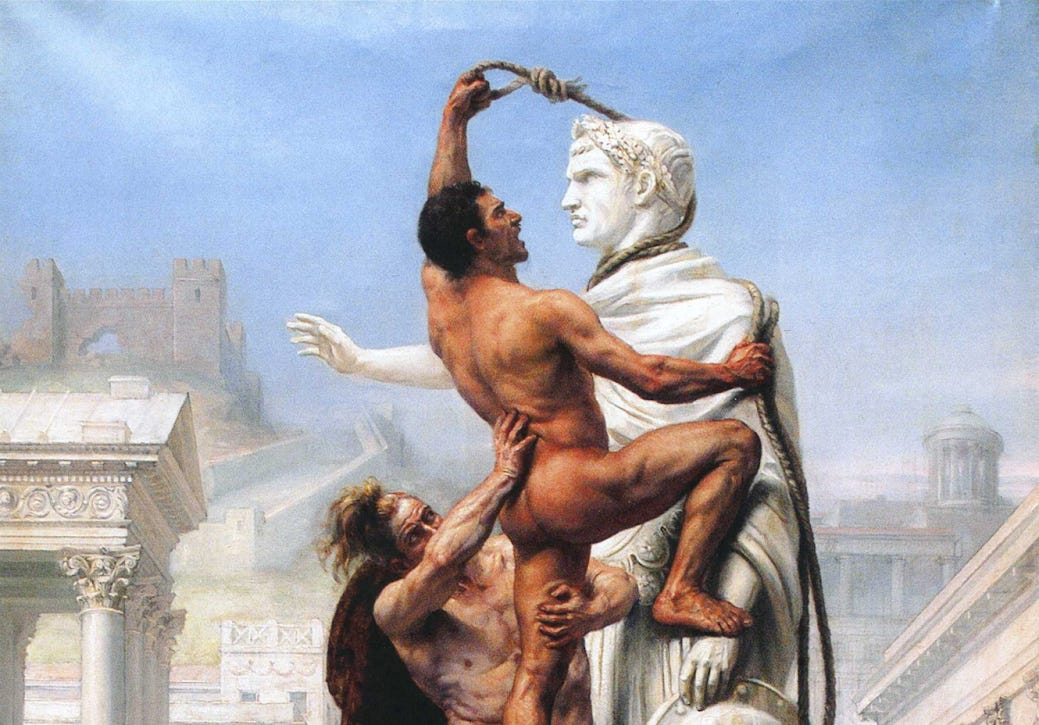
What happens when society becomes too comfortable, too secure — when we don’t need to rely on each other anymore? What if things are so materially good that we view other people as more of a nuisance than a help?
Giambattista Vico wrestled with these questions 300 years ago. He believed that extreme decadence and atomization lead to a new form of barbarism — one where men act “like wild beasts” and self-interest reigns.
Sound familiar?
The modern parallels are striking, but Vico believed there was a way out. He claimed there were 3 “remedies” for societies that had reached this state. Let’s explore what Vico was talking about, why it fits our modern world, and — importantly — which path our civilization might take.
Reminder: You can support us by unlocking our members-only content:
✔️ Full premium articles every Tuesday + Free Content on Thursdays
✔️ The entire archive of content: Western history, literature, and culture
✔️ The Great Books lists (Hundreds of titles that influenced Western thought)
Join to start reading and support the mission today 👇
A Forgotten Prophet
Giambattista Vico was a 17th century philosopher and historian who lived during the Italian Enlightenment. He taught rhetoric at the University of Naples, and though in 1734 was appointed court historiographer by the King of Naples, he never attained the academic accolades that he sought.
In 1725 he wrote his magnum opus, The New Science, which aimed to organize the humanities into a single science that would explain how societies rise and fall. Despite his ambitious work, Vico remained obscure, and he considered himself a failure as his book received a deathly silent reception. It’s said that, while walking the streets of Naples, he hid his face when he ran across colleagues who had ignored his manuscripts.
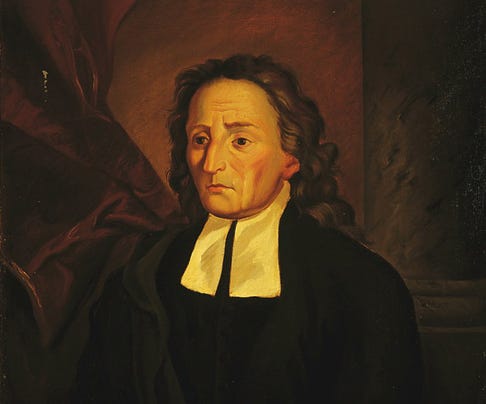
Though Vico’s desire for fame went unfulfilled during his life, the centuries since have been kinder to his legacy. Many have since revisited his work, gleaning long-lost wisdom on the eternal cycle of cultures.
So what made people reconsider Vico centuries later?
Well, it has to do with Vico’s belief that in democratic societies, the obsession with “perfect liberty” wreaks havoc on the community, and ultimately leads to the “worst of all tyrannies.” As Western society has become more democratic and libertine since Vico’s time, people have noticed alarming similarities between his descriptions and the modern world.
But to understand what Vico was talking about, we first need to understand his conception of historical cycles — the patterns that all societies go through…
The Three Ages of Civilization
In The New Science, Vico proposes that societies follow three distinct ages: the Age of the Gods; the Age of Heroes; and the Age of Men.
The Age of the Gods is characterized by profound piety. A fear of God (or the gods) pervades society and the culture is ruled by theocracy — in order to act, one must first divine God’s will. Humans in this age are barbarous, and rely on powerful deities to form their understanding of the world.
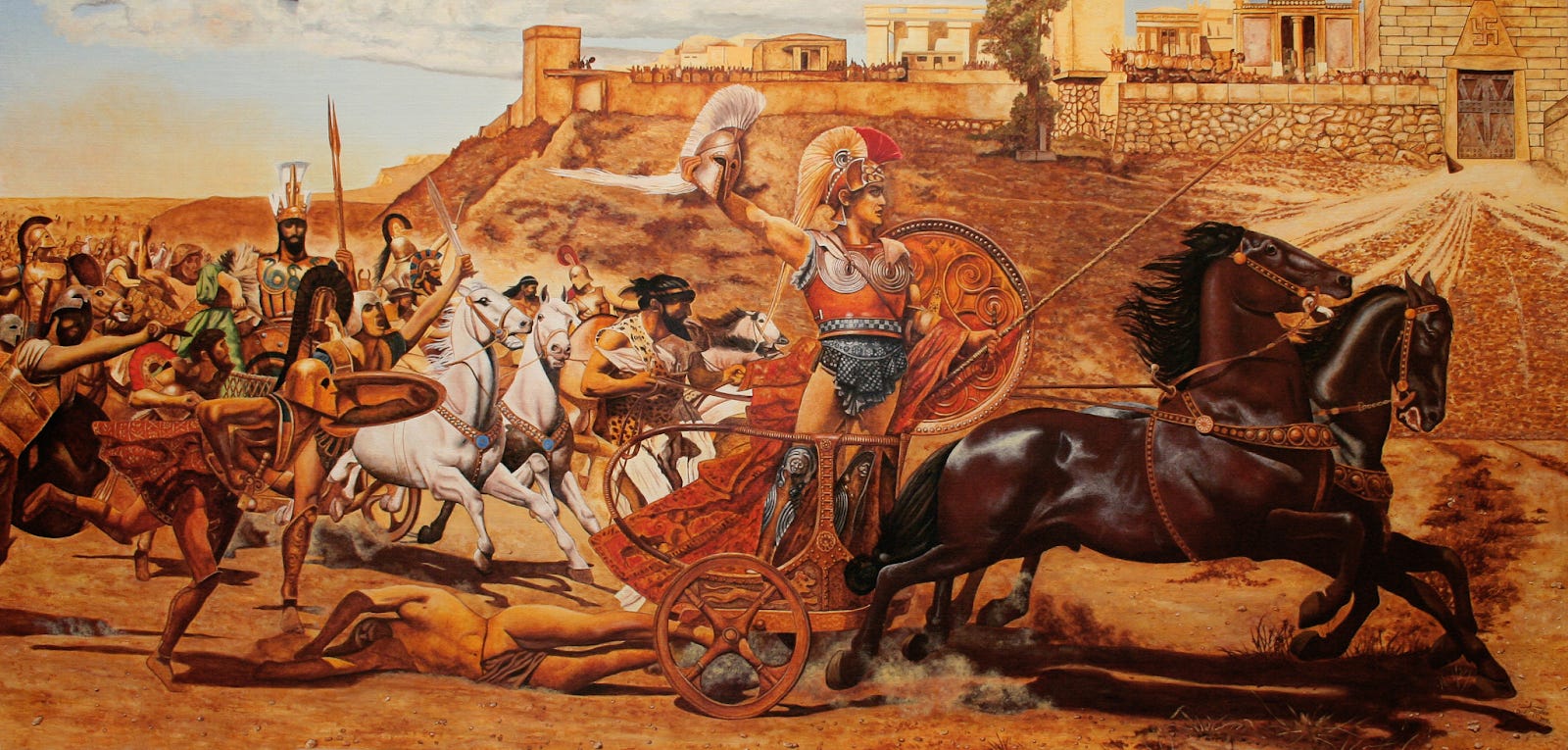
Next is the Age of Heroes. This is the aristocratic period of a culture, ruled by strong leaders and inspired by poetic imagination and epic tales. It is an honor culture where courage is valued and violence dominates. The world of Homer’s Iliad is a perfect example.
Last comes the Age of Men. This is the age of rationality and individual rights. Republicanism and democracy emerge, and philosophy becomes highly regarded — often over military prowess. Reason trumps force. The time of Socrates and Plato in ancient Greek culture or the eras of the Enlightenment and modernity embody this age in the West.
The Age of Men is the height of human society in a material sense, but Vico posits that certain things are lost during this age that are essential to maintaining a healthy culture. Imagination, hierarchy, and shared myth are vital to civilization, but the emphasis on equality and reason erode these values.
Rationalism and the Death of Myth
Interestingly, Vico claims the birth of a rational mindset during the Age of Men and the emergence of anarchy are intertwined. The intellectualism of the Age of Men causes people to question everything, and they erode the vital institutions that created the culture in the first place by dispelling its myths and values.
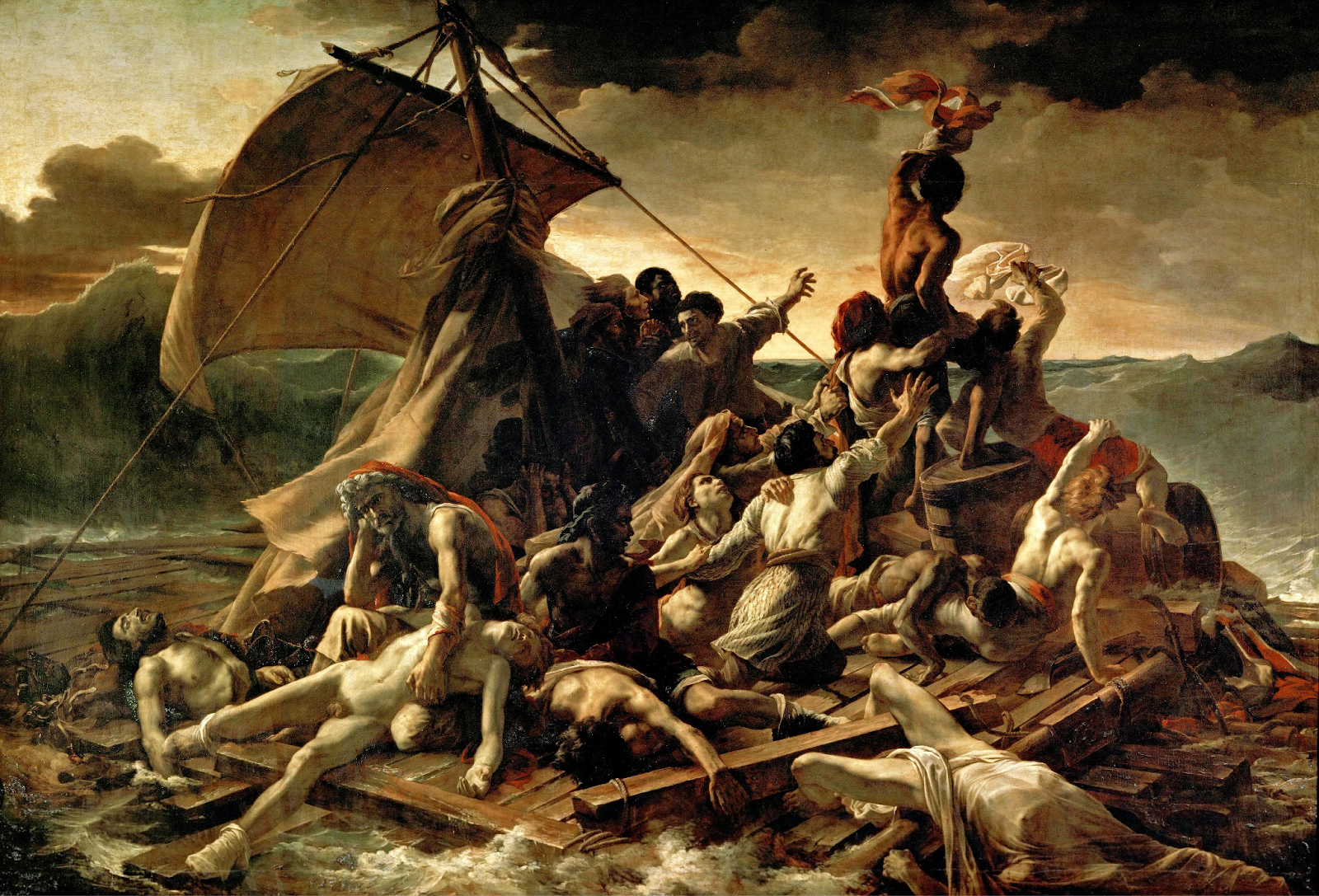
The debates and discourse which originally birthed prosperity become merely tools of deconstruction, and an individualism of the most extreme kind results. When all shared values are eroded, community disappears. And political turmoil quickly follows. Vico writes:
“But as the popular states became corrupt, so also did the philosophies. They descended to skepticism…they caused the commonwealths to fall from a perfect liberty into the perfect tyranny of anarchy or the unchecked liberty of the free peoples, which is the worst of all tyrannies.”
