

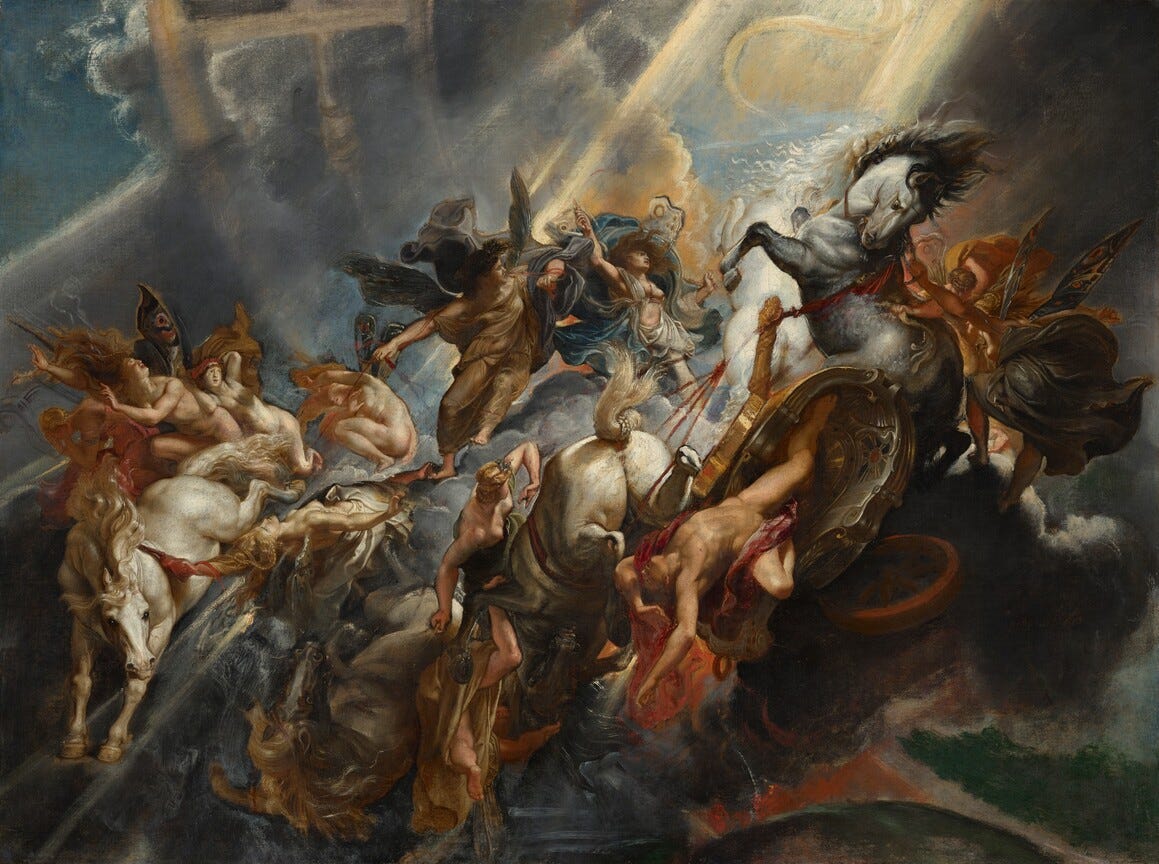
Miraculous births, archetypal heroes, and dying-and-rising gods — are they evidence of a mythologized Christianity or of the Christ-sized hole in pre-Christian thought?
For many atheists, the young C.S. Lewis included, the resemblance of Christian elements to pagan mythologies was a roadblock to serious consideration of Jesus. Some took it so far as to claim Jesus was entirely myth. More credible critics recognized a historical Jesus but clung to the idea of mythic elements informing the more supernatural aspects of the gospels.
C.S. Lewis referred to these mythic dying-and-rising gods as corn kings (from James George Frazer) for their resemblance to the “death” and “rebirth” in the cycle of harvesting and planting of corn. To Lewis, Jesus was just another corn king.
On a stroll around Magdalen College, Oxford with his friend, J.R.R. Tolkien, the issue of corn kings arose:
“What if, Tolkien suggested, the reason Christ sounded so much like the Corn King myth was that Christ was the myth that became fact? To put it another way, perhaps the reason that every ancient culture yearned for a god to come to earth, to die, and to rise again was because the Creator who made all the nations placed in every person a desire for that very thing.” — The Myth Made Fact, Louis Markos
Tolkien’s suggestion transformed Lewis’ understanding of the relationship between myth and the Christian gospels, eventually leading him to formal conversion years later. But who were these dying-and-rising gods that Lewis was so hung up on? What were the myths that became fact?
Reminder: You can support us by unlocking our members-only content:
✔️ Full premium articles every Tuesday + Free Content on Thursdays
✔️ The entire archive of content: Western history, literature, and culture
✔️ The Great Books lists (Hundreds of titles that influenced Western thought)
Join to start reading and support the mission today 👇
The Mythic Christs
The corn kings Lewis was preoccupied with span diverse cultures in the pre-Christian centuries. This ubiquity was fuel for atheists to extrapolate Jesus as a Christian corn king myth, but as will become quite apparent, these corn kings lack — in one way or another — the fullness of the gospel Jesus.
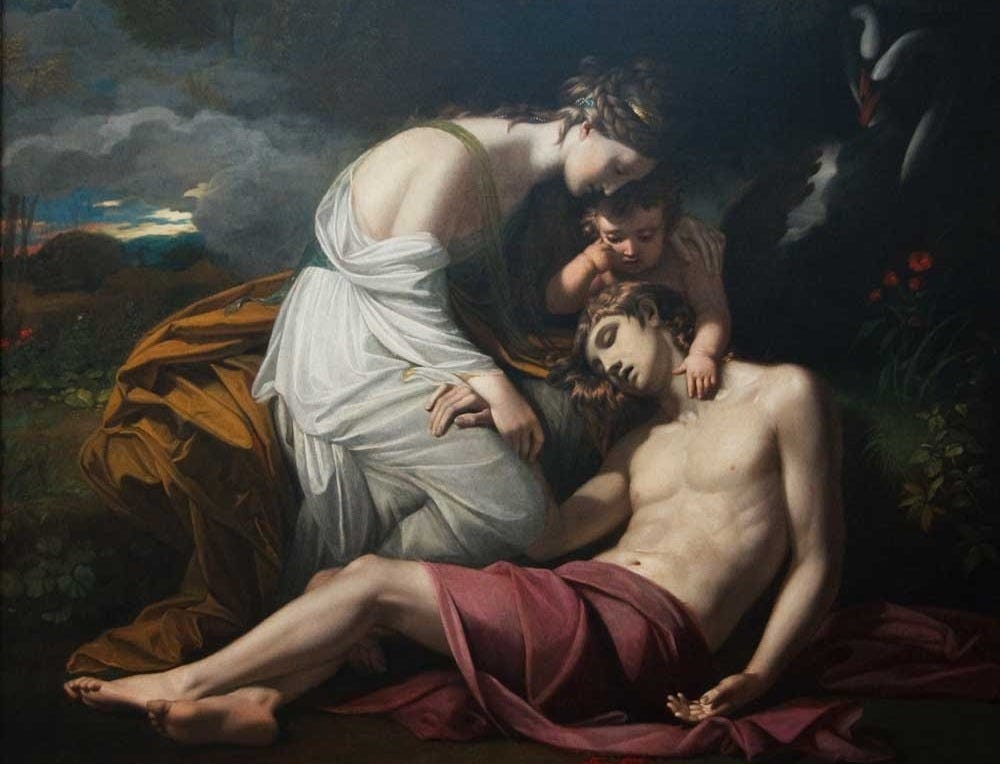
The Greek Adonis (or Bacchus) was a mortal and epitome of male beauty, who upon being killed by a wild boar, came to life again in the form of an anemone flower when his blood mixed with the tears of Aphrodite. Another telling of Adonis’ story instead has him rising again in bodily form after Aphrodite begs his return from Zeus.
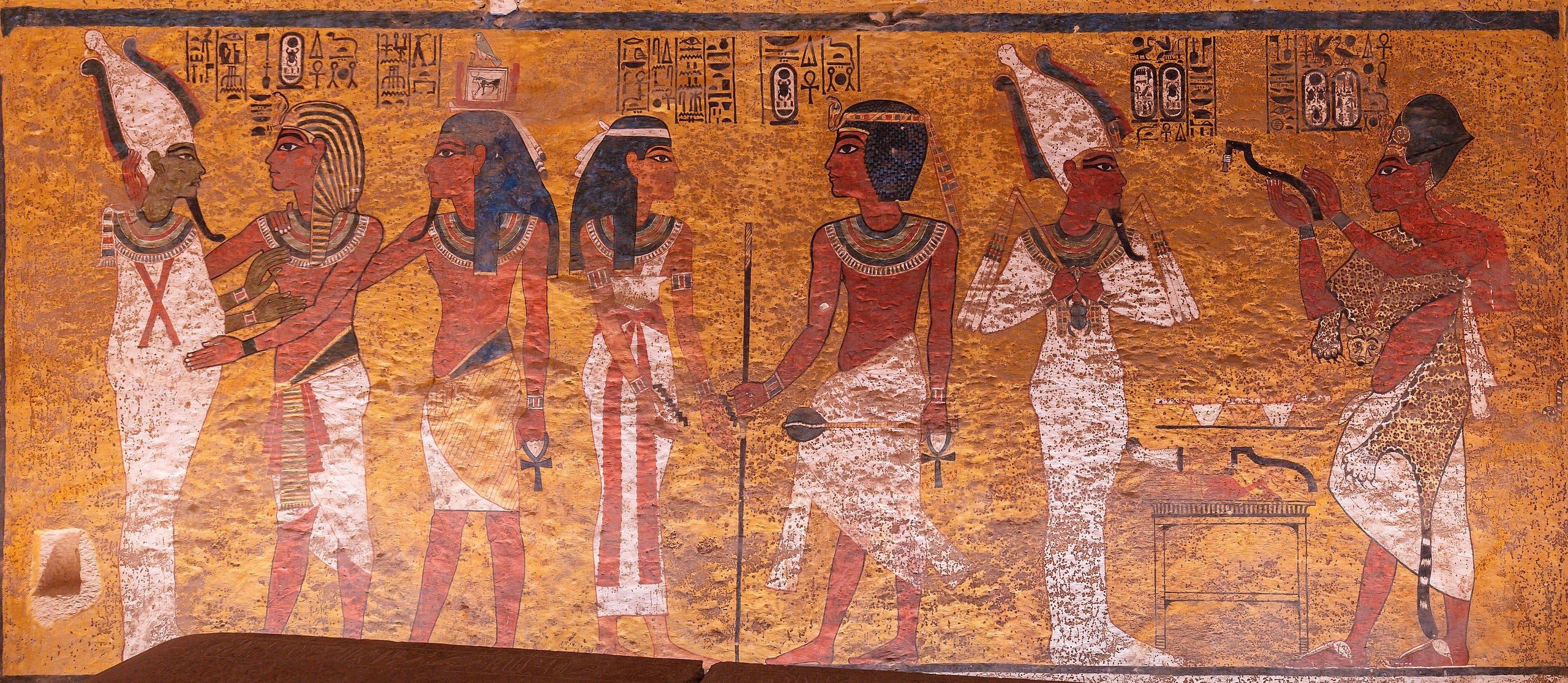
Another common corn king is that of the Egyptian god Osiris, associated with cultivation and fertility. The mythology describes his murder by his brother Set, who scattered his pieces across the land. Osiris’ wife Isis then collects his limbs and reassembles him to be revived in the Duat — the Egyptian afterlife — where he ruled the dead.
A third possible corn king was that of Tammuz in Mesopotamian lore. Though a definitive narrative is elusive, some belief Tammuz’ death is followed by a rescue from the underworld.
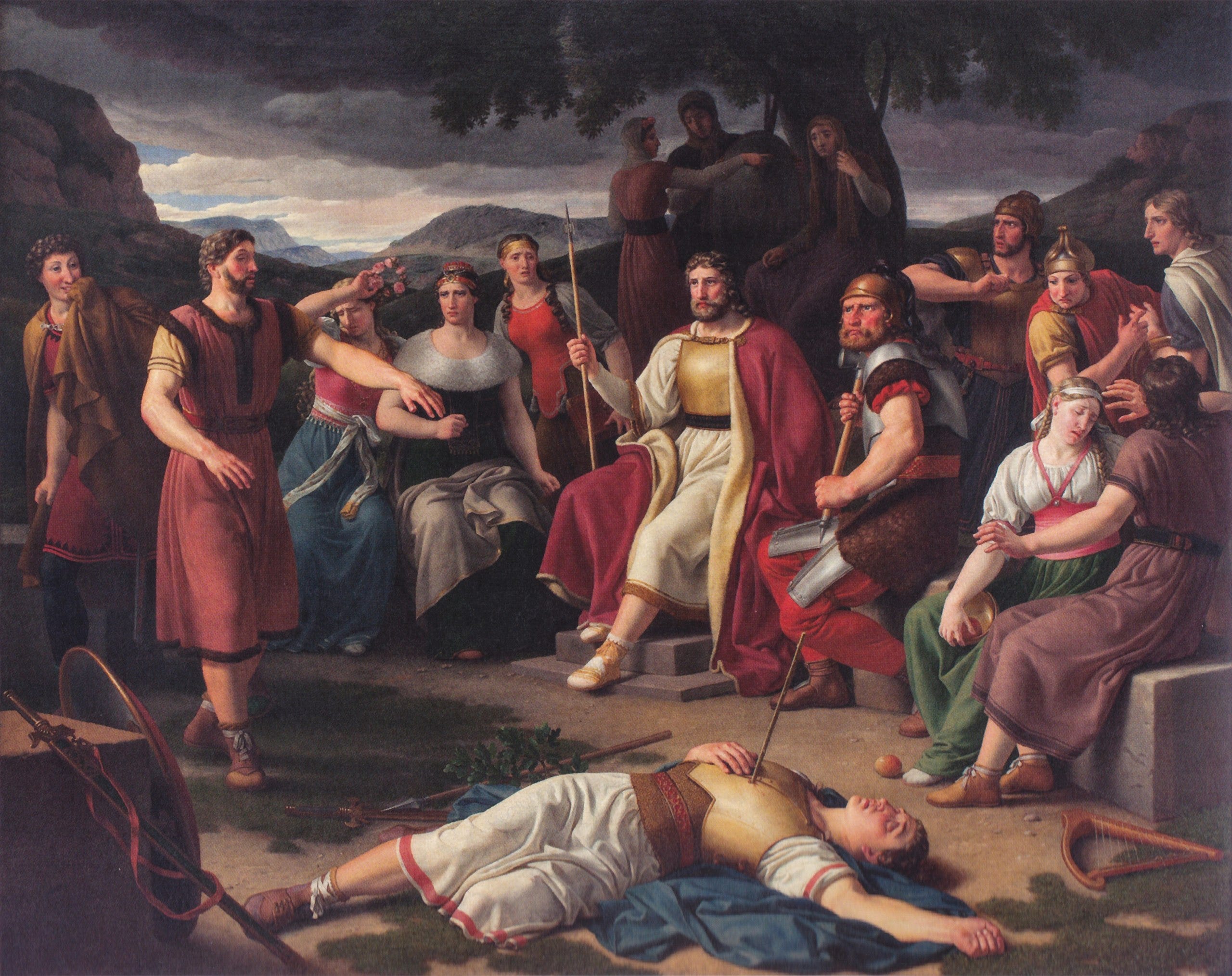
Baldr, son of Odin in Norse mythology, also shows some reference to a dying god that will one day return. The Scandinavia work Völuspá writes of “Baldr, the bleeding god” and goes on to predict a future return of Baldr which will bring peace. The Prose Edda further describes Baldr in similar language to how a Christian might speak of Jesus Christ:
“The second son of Odin is Baldr, and good things are to be said of him. He is best, and all praise him; he is so fair of feature, and so bright, that light shines from him…He dwells in the place called Breidablik, which is in heaven; in that place may nothing unclean be”
Beyond these corn kings proper (being rising-and-dying figures), pagan mythologies describe other aspects that we may see as similarly identifiable in Christ. There are healing myths, such as those performed by the Greek Asclepius; wine-centric miracles and symbols (recalling the miracle at the wedding of Cana) ascribed to the Greek Dionysus; and general parallels drawn between the gospels and Homer’s Odyssey, with some claiming the historical Jesus is merely donned in myth to make him an improved version of Odysseus.
Mithraism also greatly confused the distinctions between Christ and myth in the early centuries after Christ, too. In Babylonia and Persia, Mithra was seen as a divine savior born from rock; his cult used water as a symbol for his saving power, much like how Jesus was referred to as the “water of life”. Mithraism also used a ritual meal very close in resemblance to the celebration of the Eucharist, as described by Justyn Martyr in his First Apology:
“...the wicked devils have imitated [this] in the mysteries of Mithras, commanding the same thing to be done. For, that bread and a cup of water are placed with certain incantations in the mystic rites of one who is being initiated, you either know or can learn.”
Tertullian likewise wrote of the devilish similarities, which he believed to be copied from Christianity. Whether Mithraic rituals were actually so similar to Christian rituals is debated; nonetheless, the concurrent religion of Mithraism only confused the issue further in that Mithra bore many marks of Christ, but was wholly mythological, permitting skeptics to see Mithra and Jesus as similar mythologies in ideas, places, and times.
The idea of tying Jesus to mythology was made ever easier when early Christian’s adopted or unwittingly mimicked mythological art for their own iconography. Jesus’ iconography is thought to bear similarities to Mediterranean deities such as Hermes, Asclepius, Serapis, and Zeus. For example, Hermes was often depicted as a shepherd with a young ram over his shoulders, much like Christ was called the “Good Shepherd” and depicted carrying a lamb. Other examples of potential borrowing from pagan art were the use of halos, which were also used for the sun god Sol Invictus.
But how is Christianity reconciled with these pagan myths?
